FOCUS AREA › Lifelong Learning
Lifelong Learning: Realising the Right to Learn at Every Age
GCE’s Lifelong Learning focus area promotes education systems that guarantee learning opportunities for every person, at every stage of life, in and beyond formal schooling. The movement treats lifelong learning as a core part of the right to education and essential for just, sustainable societies.
Index
THE RIGHT TO LEARN THROUGHOUT LIFE
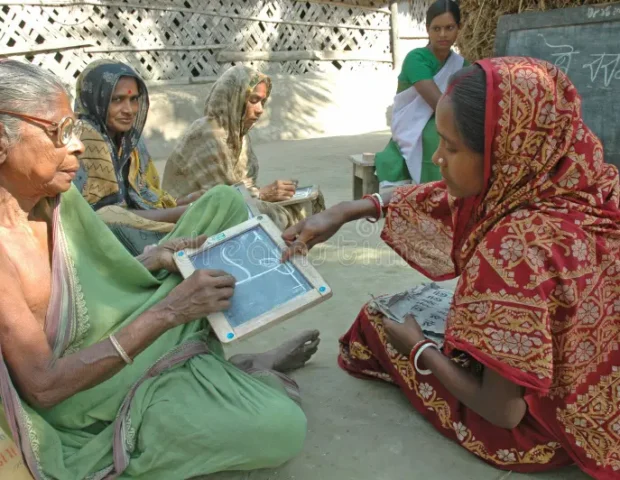
GCE believes that every person, free from all discrimination, has the right to lifelong learning. This means the right to benefit from formal, non‑formal and informal learning opportunities from early childhood to late life.
Governments must respect, protect and fulfil this right by making education available, accessible, acceptable and adaptable for learners of all ages. Lifelong learning should respond to people’s diverse needs and support their ability to participate fully in social, economic, cultural and political life.
GAPS AND CHALLENGES
In many countries, lifelong learning is still far from being realised. Critical gaps persist in three main areas: Early Childhood Care and Education (ECCE), education for out‑of‑school children and youth, and Adult Learning and Education (ALE).
These gaps compound existing inequalities, including for children with disabilities and those facing poverty, conflict, displacement or discrimination. Without sustained public investment, millions are denied opportunities to re‑enter education, re-skill and adapt to rapidly changing labour markets and societies.
WHAT GCE CALLS FOR
Lifelong learning is one of GCE’s foundational asks and cuts across all of its global priorities. In this focus area, the movement calls on governments and the international community to:
- Recognise and guarantee the right to lifelong learning in laws, policies and financing frameworks, building on international and regional human rights provisions.
- Increase public investment to expand free, public Early Childhood Education, opportunities for out‑of‑school adolescents and youth, and Adult Learning and Education.
- Design education and training that meets the needs of learners in all their diversity and contributes to more just and sustainable societies.
- Ensure that lifelong learning opportunities are accessible, affordable and relevant, including through flexible pathways, recognition of prior learning and community‑based provision.
LIFELONG LEARNING IN A CHANGING WORLD
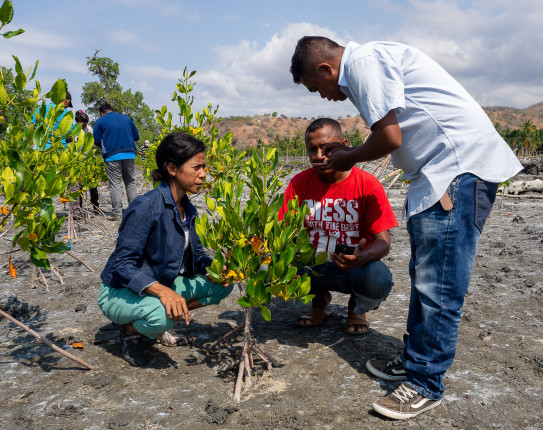
Rapid changes linked to climate crisis, technology and shifting economies demand continuous learning and reskilling. Education systems must therefore adopt a genuine lifelong learning approach rather than limiting their ambition to a few years of schooling.
GCE highlights the potential of digital and technological solutions to support access and continuity of learning for those facing barriers, while insisting that technology be used in inclusive, rights‑based ways. Lifelong learning also underpins GCE’s work on transforming education, climate justice, gender equality and financing, as members advocate for policy and budget decisions that make learning truly lifelong for all.